
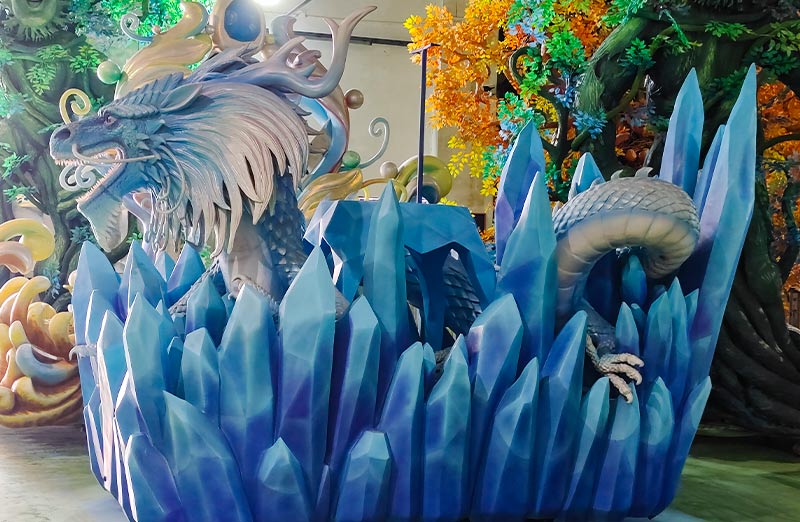
Parade-Float
Historical Origins
The tradition of parade floats dates back to ancient civilizations, where decorated carriages were used in religious and civic processions. The Greeks and Romans, for instance, utilized elaborate chariots and floats in their festivals, celebrating gods, victories, and important events. These early floats were designed to honor deities and display the grandeur of the occasions they marked.
In the more recent past, the concept of parade floats evolved significantly. By the 19th century, floats became a staple of public parades and civic celebrations. In the United States, floats gained prominence with events such as the Rose Parade in Pasadena, California, which began in 1890. The parade featured floral-covered floats, a tradition that continues to this day and showcases the creative ingenuity of participants.
Crafting the Perfect Float
Creating a parade float is a complex, collaborative process that involves a blend of artistic vision and technical skill. The design phase often starts months in advance, with teams of designers, builders, and volunteers brainstorming themes and concepts. Floats can range from simple, whimsical designs to elaborate, multi-tiered masterpieces, often incorporating themes that reflect cultural, historical, or festive elements.
Materials used in float construction vary widely. Traditional floats are often built on large platforms or trailers and decorated with flowers, fabric, paper-mâché, and other materials. Modern floats might incorporate high-tech elements like LED lighting, animated features, and even mechanical components to enhance the visual experience.
The Art of Parade Floats
The artistry involved in parade float design is both diverse and intricate. Designers must consider the visual impact from all angles, ensuring that the float looks spectacular both up close and from a distance. Attention to detail is crucial, as the float must convey its theme effectively through color, structure, and movement.
Floats often reflect cultural and seasonal themes. For instance, during the Rose Parade, floats are covered in thousands of roses and other natural materials, creating stunning floral displays. Similarly, during Mardi Gras in New Orleans, floats are elaborately decorated with vibrant colors and intricate designs, celebrating the rich cultural heritage of the festival.
Cultural Significance
Parade floats play a significant role in cultural celebrations and public events. They serve as a platform for storytelling, allowing communities to express their values, history, and creativity. For many, floats are a central element of major events, bringing people together to celebrate and partake in shared traditions.
In addition to their cultural role, floats often have a charitable or social message. Many parades use floats to raise awareness for various causes, promoting community engagement and social responsibility. For example, floats in parades like the London Pride Parade or the San Francisco Gay Pride Parade often carry messages of inclusivity and support for LGBTQ+ rights.
Floats and Community Spirit
One of the most compelling aspects of parade floats is their ability to foster community spirit and involvement. Building and decorating floats often involves significant community effort, with local groups, schools, and organizations coming together to contribute their skills and creativity. This collaborative process not only enhances the float but also strengthens community bonds and encourages civic pride.
Parade floats also provide an opportunity for people to celebrate together, whether through local parades or large-scale events. The spectacle of a parade float traversing the streets serves as a symbol of joy and collective celebration, offering a moment for people to pause and enjoy the creativity and effort put into these moving works of art.
Conclusion
Parade floats are much more than eye-catching decorations; they are a testament to human creativity, community collaboration, and cultural celebration. From their ancient origins to their modern manifestations, floats continue to captivate and inspire audiences around the world. They transform ordinary streets into stages for extraordinary artistic expression, making every parade a vibrant celebration of life, culture, and imagination.


